

Pier into the past |
|
|
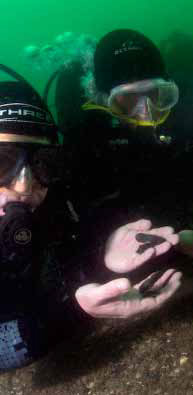
Mesolithic LandscapeYarmouth Pier sits within a landscape which goes back to Mesolithic times when the Island was still connected to the mainland and the Solent was only a small river. A unique and exciting Mesolithic site lies 11 metres under the Solent at Bouldnor Cliff and is being slowly excavated by the Maritime Archaeology Trust. The base of the cliff was used for seasonal camps for Mesolithic people who hunted animals and birds, fished and gathered nuts, berries and plants in the landscape of hazel and oak woodland. Dating to around 8,000 years ago, the site has revealed the oldest string ever found and pieces of worked wood, including some that are likely to be parts of boats. |
||
Prehistoric to Roman YarmouthFlint tools dating to the Neolithic period have been found on the seabed around Yarmouth Pier. A row of upright stakes in the intertidal zone, once forming part of a fish trap, has been radio-carbon dated to around 2,930-2,610 BC. Bronze Age axe heads have been found in Yarmouth town and Iron Age pottery fragments have been recorded on the seabed around the pier, as well as pottery from the town and coins near Yarmouth Common. It is thought that Roman shipwrecks may lie around Yarmouth Pier as concentrations of finds including pottery, building materials and a stone anchor have been found on the seabed. |
|
|
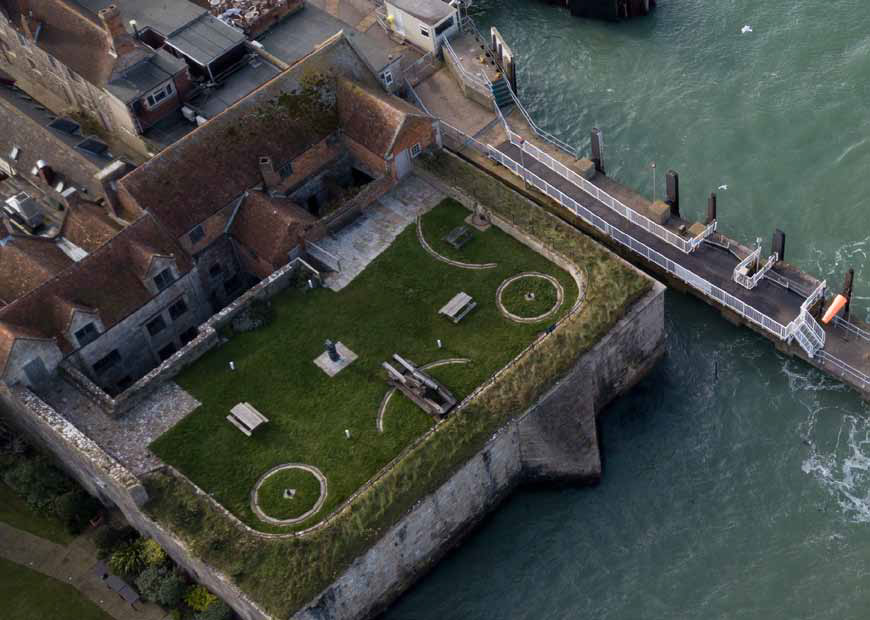
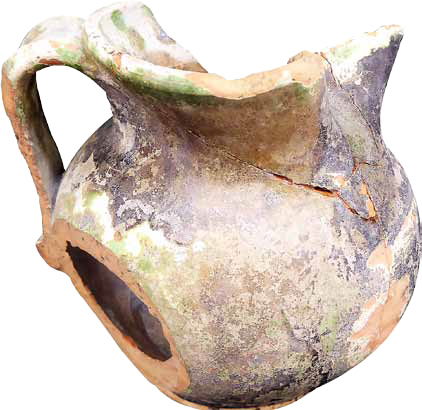
Saxon, Medieval and Tudor YarmouthThe Saxon settlement 'Ermud' was noted at Yarmouth in the Domesday Book of 1086. Yarmouth received its first town charter in the late twelfth century and had a market and fair by 1279-80. It was a wealthy and important port town with 181 households paying taxes. By the 14th century, plagues and French raids contributed to Yarmouth's economic decline and in 1377 the whole town, including the church, was razed to the ground by French attacks. In 1379 there were only 34 people living in 21 households in the town. In the 16th century Henry VIII built Yarmouth Castle as part of his chain of defences around the south coast of England to protect against foreign attacks. Yarmouth Castle has one arrowhead bastion dating from 1546 and is the earliest of its kind in England. The castle is now managed by English Heritage and is open for visitors May to October. The Yarmouth Roads wreck lies just off Yarmouth and is thought to be the Santa Lucia, a merchant 'carrack'. She was sailing to Flanders in 1567 with a cargo of wool. The ship has been dated by pottery and pewter objects found whilst recording the site. The Santa Lucia is a protected wreck. |
|
|